
Last updated October 15, 2026
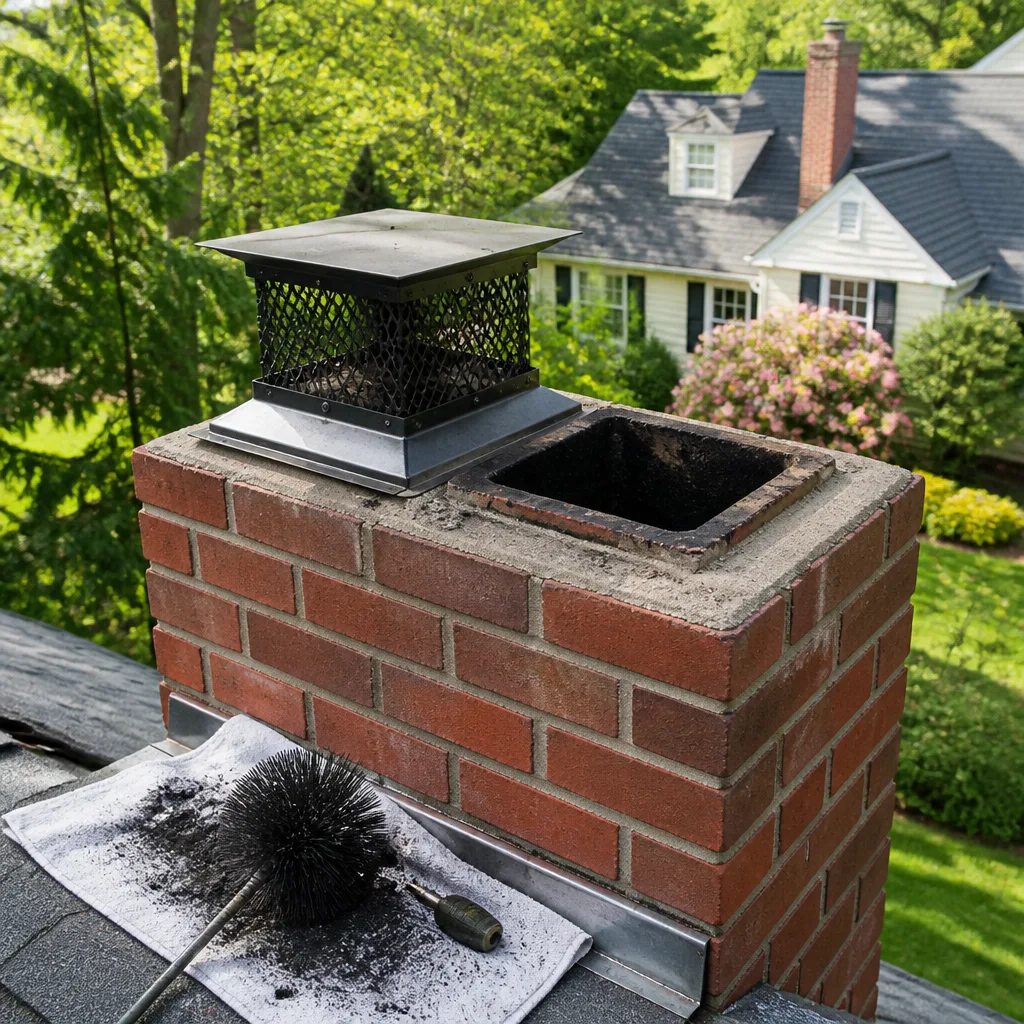 Sweep & inspection
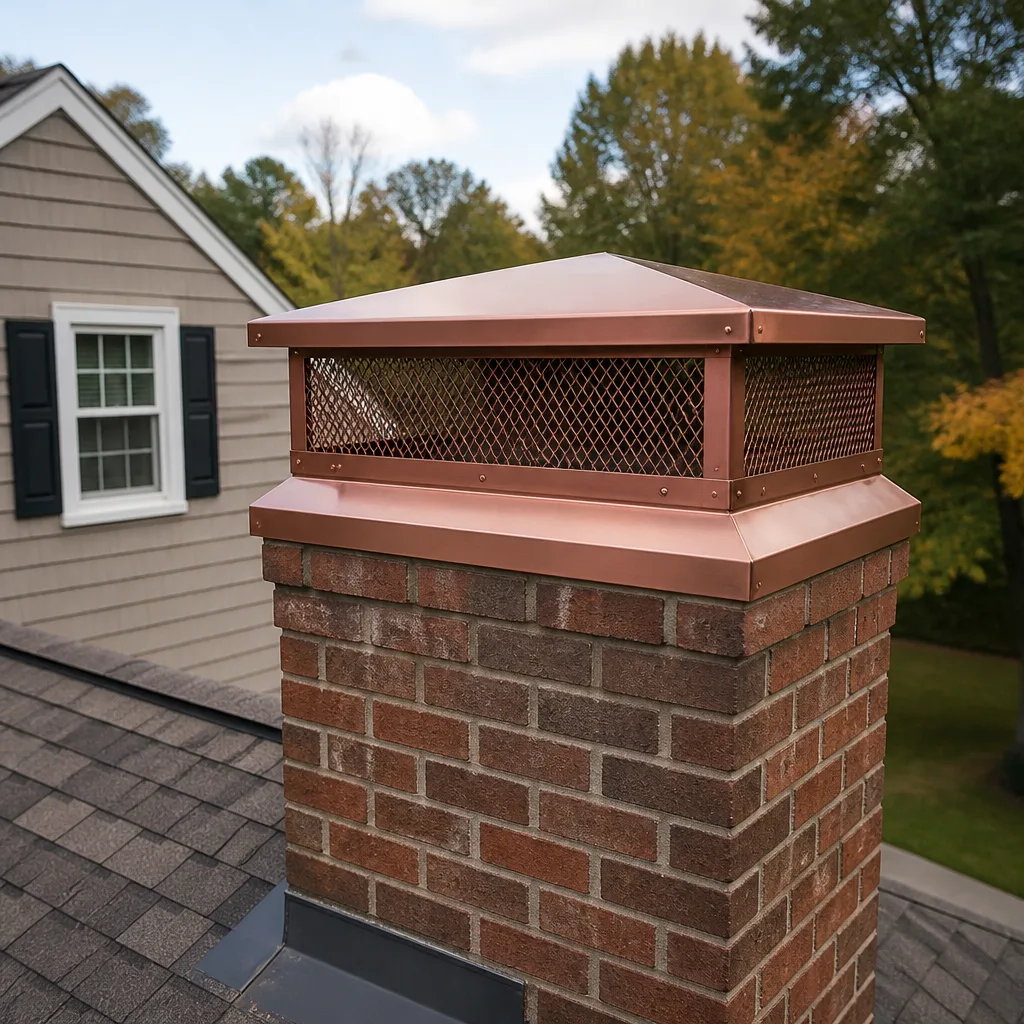 Caps & crowns
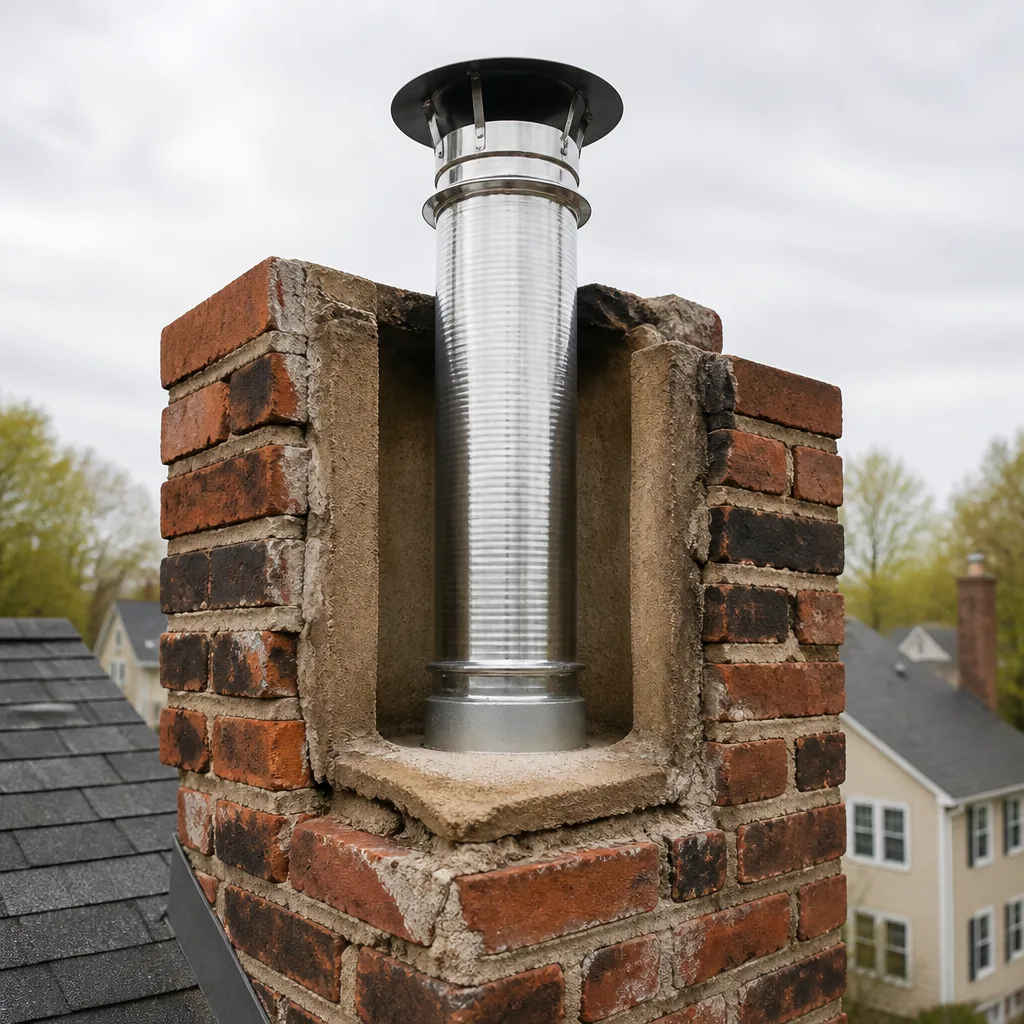 Flue relining
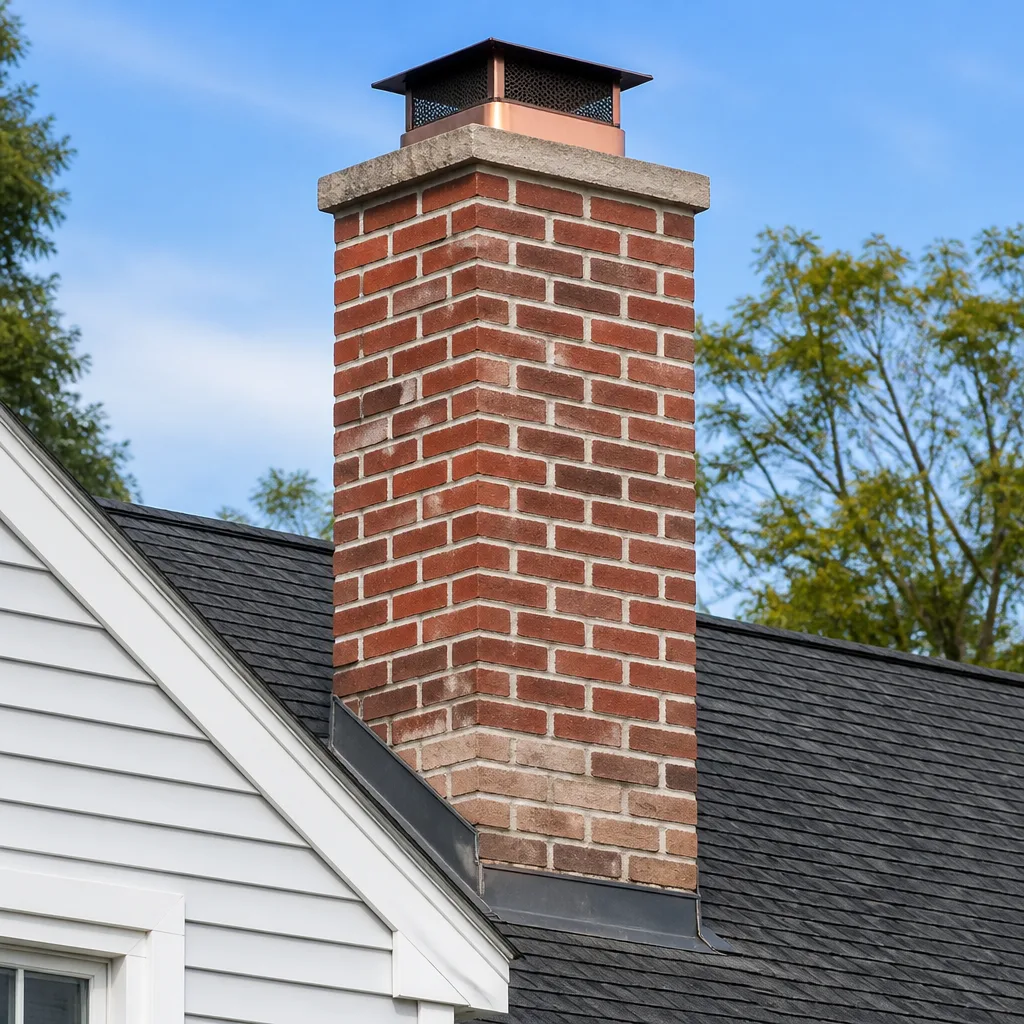 Masonry repair
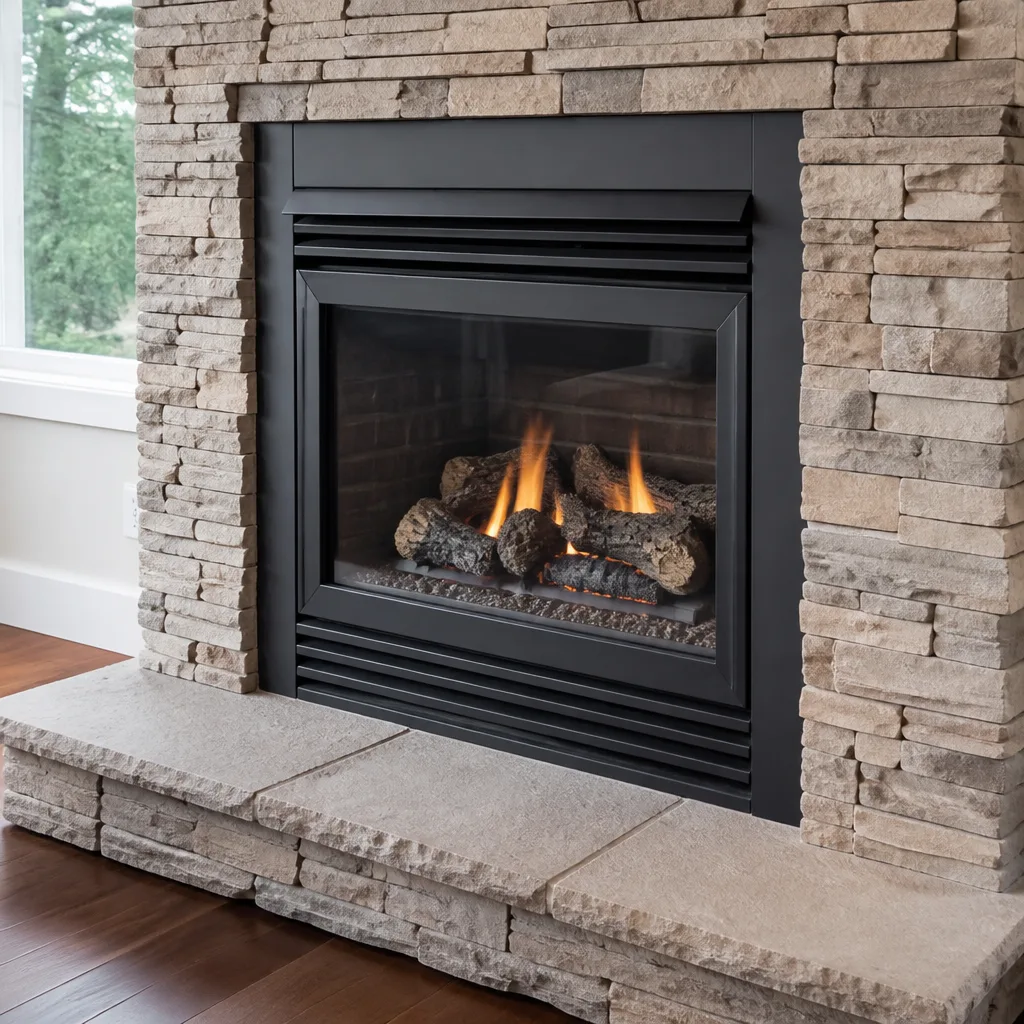 Gas fireplace service
Level 1 sweep and inspection to the NFPA 211 annual standard - flue, crown, cap, and flashing checked and photographed
Chimney sweep logs do not sweep chimneys. They loosen some creosote - which then falls where a brush and vacuum still have to collect it.
Chimney Cleaning Permits, Codes & Inspections in TX: What You Need to Know
A chimney cleaning that reveals a cracked flue liner can turn into a $3,000 relining job. If that relining is done without a City of Houston building permit, it can legally void your homeowner’s insurance payout if a fire occurs – even if the repair itself was done correctly. Most Houston homeowners never think about chimney permits until something goes wrong. This guide walks through exactly where the line sits between routine maintenance and regulated work, what the Texas codes actually say, what a Houston inspector will look for, and the paperwork you should keep long after the crew leaves. For related reading, see our The Complete Guide to Chimney Cleaning in Houston.
Quick Answer
Routine chimney sweeping and visual inspections in Texas require no permit at the state or Houston municipal level. However, structural repairs, flue liner replacement, firebox rebuilds, and new chase construction in Houston typically require a City of Houston building permit, and gas appliance venting work falls under specific sections of the Texas Administrative Code and Houston’s mechanical code. A Level 2 chimney inspection, often required by insurance companies after a fire event or at a home sale, documents the chimney’s condition in a format insurers and home inspectors recognize.
Styles & brands we work with
Table of Contents
- The Permit Threshold: Where Maintenance Ends and Regulated Work Begins
- Texas State Code vs. Houston Municipal Code: What Governs Your Chimney
- What a Level 2 Chimney Inspection Is and When Texas Insurers Require It
- How to Verify a Contractor Pulled a Permit in Houston
- Documentation to Keep for a Home Sale or Insurance Claim
- Houston Climate, Soil, and Neighborhood Factors That Affect Chimney Work
- Gas vs. Wood-Burning Fireplaces: Different Codes, Different Rules
- What Chimney Cleaning, Inspection, and Permitted Repairs Cost in Houston
The Permit Threshold: Where Maintenance Ends and Regulated Work Begins
No permit is required in Houston or anywhere in Texas for a routine chimney sweep, a visual inspection, or minor maintenance like replacing a damper or a chimney cap. For a full breakdown of what to schedule and when, see our Chimney Sweep Maintenance Checklist for Houston Homeowners. These are considered maintenance activities under both the Texas Administrative Code and the City of Houston building ordinances. The sweep removes creosote and soot. The inspection documents what is there. Neither changes the structure of the chimney or the way combustion gases move through it.
The line moves the moment the work touches anything structural or safety-critical. Here is the breakdown:
- No permit required: chimney sweeping, Level 1 visual inspection, minor cap replacement, damper repair, standard masonry crown sealing, surface repointing of a few joints.
- Permit required in Houston: flue liner replacement or relining, firebox rebuild, smoke chamber parging, new chase construction, structural masonry repair beyond surface work, and any change to the flue’s size or path.
- Separate mechanical permit path: gas log installation, venting changes for gas appliances, and any work that alters how a gas fireplace vents.
We have seen Houston homeowners get surprised by this distinction. A routine sweep in a Meyerland home finds a cracked flue liner. The homeowner gets a quote for a HeatShield resurfacing or a stainless liner. The contractor says, “We don’t need a permit for this.” Then the home goes up for sale two years later, the buyer’s inspector asks for permits, and there are none. That is a sale that stalls, a price that gets renegotiated, or a repair that has to be redone with permits anyway.
The practical rule: if the work changes the chimney’s structure, fire containment, or gas venting path, ask for a permit number. If a contractor tells you it is not needed, get that in writing and verify it yourself with the City of Houston. Checking takes ten minutes online.
Texas State Code vs. Houston Municipal Code: What Governs Your Chimney
Texas does not have a single, standalone “chimney code” that covers everything in one place. What governs chimney work is spread across a few documents, and Houston adds its own layer on top. Understanding which document applies to your situation matters because it determines who inspects the work and what happens if it is done wrong.
At the state level, the relevant rules sit in the Texas Administrative Code, Title 16, Part 4, which addresses plumbing and mechanical work, and in the state’s adoption of the International Residential Code (IRC) and International Mechanical Code (IMC) for much of the state. The IRC Chapter 10 covers chimneys and fireplaces, including clearances, masonry construction standards, and flue sizing. The IMC covers venting for gas appliances.
The City of Houston operates as a home-rule city, which means it administers its own building code enforcement rather than deferring entirely to the state. Houston’s construction code, Chapter 10 of the City of Houston Code of Ordinances, adopts the International Codes with local amendments. The mechanical, fuel gas, and building chapters within Houston’s code govern chimney construction, alteration, and repair. For a Houston homeowner, the practical hierarchy is: Houston municipal code and its locally adopted International Codes apply first, state law fills in where Houston’s code is silent, and appliance manufacturer specifications govern installation details.
Where to find the actual documents:
- City of Houston Code of Ordinances, Chapter 10 – available online through the city’s code portal. Search “Chapter 10” and look for the “Mechanical” and “Building” articles.
- International Residential Code, Chapter 10 – the model code. Houston’s local amendments are listed in the ordinance adopting it.
- Texas Administrative Code, Title 16, Part 4, Chapter 65 – administrative rules for licensing and mechanical work. This is where you will find rules for gas appliance installation and venting.
- Houston Public Works, Plan Review and Permitting – the city department that issues chimney-related permits and performs inspections.
One section people miss: Houston’s amendments to the fuel gas code have specific requirements for gas fireplace venting and clearance to combustible materials. If you have a gas log set in an old wood-burning fireplace, the code treatment is different from a purpose-built gas fireplace. A technician who knows the difference will not just cap the flue and call it done.
What a Level 2 Chimney Inspection Is and When Texas Insurers Require It
A Level 2 chimney inspection is a mid-depth inspection that goes beyond what a technician sees during a routine cleaning. It includes everything in a Level 1 inspection (the accessible portions of the chimney interior and exterior, plus basic appliance and flue checks) and adds examination of accessible attic, crawlspace, and basement areas, plus a video scan of the flue interior. The video scan is the key difference: it documents the flue liner’s condition in a way a flashlight cannot.
When do Texas insurance companies require a Level 2 inspection?
- After a chimney fire. Even a small chimney fire can damage a clay tile liner invisibly. Insurance adjusters in Texas commonly require a Level 2 inspection with video documentation before they will process a claim for chimney fire damage.
- At the point of sale. More Texas home inspectors are flagging chimneys as “recommended for Level 2 inspection by a qualified chimney professional” when the home has an older masonry chimney; the buyer’s insurance carrier may then require it before binding coverage.
- When the chimney has been dormant for years. A home that sat vacant, or a fireplace that has not been used in a decade, often triggers an insurer request for a Level 2 before the new owner uses it.
- After weather events. Houston’s freeze-thaw cycles, hurricanes, and the occasional ice storm can shift chimneys and crack liners; after a major storm, some insurers request a Level 2 before renewing coverage on homes with masonry fireplaces.
A Level 2 inspection is not the same as the inspection that comes with an annual cleaning. The annual cleaning inspection is typically a Level 1, which is visual only and covers the readily accessible parts. A Level 2 adds the video scan and the attic/crawlspace examination. At Kindling Chimney Houston, we price these separately and tell homeowners plainly which one they need. If your insurance company has asked for a Level 2, do not let a company sell you a cleaning and call it an inspection. Ask for the video report. Insurers want documentation, not a note on a receipt.
How to Verify a Contractor Pulled a Permit in Houston
Checking whether a contractor actually pulled a City of Houston permit takes about ten minutes online. The City of Houston allows permit searches through its online portal, and a permit number is public record. Here is the process:
- Ask the contractor for the permit number before work begins. A reputable company will provide it without hesitation. The number typically looks like a string of numbers preceded by a letter code indicating the permit type (for example, a building permit might start with a “B” followed by eight digits).
- Go to the City of Houston’s Plan Review and Permitting page and use the permit search tool. Enter the address or permit number.
- Confirm the permit type matches the work. A building permit covers structural chimney work. A mechanical permit covers gas venting changes. If the contractor pulled a mechanical permit for a firebox rebuild, that is the wrong permit.
- Check the status. A permit that is “issued” is active. One that is “applied for” or “pending” is not yet valid for work to begin.
Why do reputable Houston chimney companies provide permit numbers automatically? Because they have nothing to hide. The permit process adds cost and time to a job, so some contractors skip it to bid lower. But the permit is not just bureaucracy: it means a city inspector will come look at the liner replacement or firebox rebuild before the wall is closed up. That inspection is the homeowner’s proof that the work met code. No permit, no city inspection, no proof.
One note from our experience in Houston: a contractor who says “we do not pull permits for this” is not necessarily right. Call the city and ask. Houston’s permitting office is reachable by phone, and the staff can tell you in minutes whether the specific scope of work requires a permit. You do not need to be a code expert. You just need to ask the question.
Documentation to Keep for a Home Sale or Insurance Claim
The paperwork from chimney work matters years after the crew leaves. Houston is a seller’s market in many neighborhoods, but buyers still negotiate over inspection findings, and insurance claims after a fire or storm event depend on documentation that proves the chimney was properly maintained and repaired.
Here is what to keep, and where to keep it:
- The written inspection report from every Level 1 or Level 2 inspection. This should include photos or video stills of the flue interior. Store digitally and in paper form.
- The permit number and final inspection sign-off for any work that required a permit. Print the final inspection record from the city’s portal. Do not rely on the contractor to retain it.
- The contractor’s license or registration information. Texas does not have a statewide chimney sweep license, but Houston requires certain mechanical and gas work to be performed by licensed contractors. Keep the contractor’s Texas Department of Licensing and Regulation (TDLR) number if the work involved gas, and the company name and contact information for everything else.
- Invoices that itemize what was done. “Chimney repair” on a receipt is not useful. “Stainless steel liner replacement, model X, installed per manufacturer spec, with City of Houston permit #B12345678” is what an insurance adjuster or buyer’s inspector wants to see.
- Manufacturer warranty documents for any liner, cap, or firebox component installed. Brands like DuraFlex and Olympia Chimney provide warranty documentation that validates the product and installation date.
Where to store it: attach it to the home’s permanent file where you keep the survey, the roof replacement paperwork, and the HVAC records. Houston home sales move fast, and the last thing you want during escrow is to be digging through an email inbox from three years ago for a permit number. A simple folder, physical or digital, called “House – Chimney” solves the problem.
Houston Climate, Soil, and Neighborhood Factors That Affect Chimney Work
Houston does things to chimneys that Dallas and San Antonio do not. The combination of Gulf Coast humidity, clay-heavy soils that shift with moisture swings, hard freezes in winter, and the occasional hurricane or tropical storm means Houston chimneys age differently. What passes inspection in one part of Texas may fail in Houston because of what the ground itself does.
The clay soil under much of Houston expands and contracts with rainfall. Homes in neighborhoods built on gumbo clay – much of the west side, from Spring Branch to Katy, and north through Cypress – see foundation movement that translates directly into chimney movement. A masonry chimney is heavy and rigid. When the slab under a house shifts a quarter inch, the chimney does not always move with it. The result is cracks in the mortar joints, gaps between the chimney and the house, and separations in the firebox.
Humidity is the second Houston-specific factor. Creosote in a wood-burning chimney absorbs moisture. In Houston’s humidity, creosote that would stay dry and flaky in a drier climate can become sticky and more corrosive. That means Houston chimneys often need cleaning more frequently for the same amount of fireplace use. It also means water intrusion into brick and mortar is a year-round concern, not just a rain-season one.
The 2021 freeze changed how many Houston homeowners think about their chimneys. Tens of thousands of homes lost power for days, and families burned fireplaces hard for the first time in years. Masonry that had been marginal before the freeze showed fractures afterward. We worked through a stretch in 2021 and 2022 where every other inspection in neighborhoods like Oak Forest and Garden Oaks turned up freeze-related spalling or cracked crowns.
The practical takeaway: if you own a masonry chimney in Houston, inspect it at least annually. If you have a wood-burning fireplace and you used it heavily during any recent hard freeze, a Level 2 inspection before the next burning season is money well spent. The climate here is not neutral to chimneys. It is actively working on them.
Gas vs. Wood-Burning Fireplaces: Different Codes, Different Rules
Most Houston homes built in the last 25 years have gas fireplaces, and most older Houston homes that started with wood-burning fireplaces have since been converted to gas logs. That conversion matters for codes and permits in ways many homeowners do not realize.
A wood-burning fireplace is governed primarily by the building code: chimney structure, flue liner condition, clearance to combustibles, and firebox integrity. The concern is fire containment. The Texas Administrative Code applies to the venting side, but the core safety questions are structural.
A gas fireplace, whether a factory-built direct-vent unit or a gas log set in an old wood-burning firebox, is governed additionally by the fuel gas code and mechanical code. The concern shifts from fire containment to carbon monoxide and gas ventilation. Houston’s locally adopted fuel gas code requires specific venting configurations, combustion air provisions, and clearances for gas appliances. A gas log set installed in a wood-burning fireplace needs the damper clamped open or otherwise modified so the flue cannot fully close while gas is burning. That is a code requirement, not a preference.
The permit difference:
- Converting a wood-burning fireplace to gas logs: typically requires a mechanical permit in Houston because the gas piping and venting change. The work should be done by a licensed mechanical contractor per the Texas Department of Licensing and Regulation rules.
- Replacing an existing gas log set with a similar unit: may not require a permit if the gas line and venting are unchanged, but Houston’s code is conservative on this, and a call to the permitting office settles it.
- Installing a direct-vent gas fireplace in a new location: requires a mechanical permit and often a building permit for the chase and vent run.
Here is the part homeowners in Houston often miss: a chimney that is perfectly safe for wood burning is not automatically safe for gas, and vice versa. Gas produces different combustion byproducts and different venting requirements. A chimney sweep who understands both is worth more than one who treats every fireplace the same. Our Chimney Sweep in Houston service covers both wood and gas systems, and our technicians verify code compliance on the gas side as part of the standard visit.
What Chimney Cleaning, Inspection, and Permitted Repairs Cost in Houston
Here are honest Houston price ranges, in 2026 dollars, based on what we see across the market. These are not bids – they are ranges to help you evaluate the quote you receive. Kindling Chimney Houston provides a written price before any work begins, so there is no surprise at the door.
- Standard chimney sweep (wood-burning): $180 to $300. Includes the cleaning, a Level 1 visual inspection, and basic clean-up. Most Houston sweeps quote in this range; be suspicious of $99 specials that upsell hard on arrival.
- Chimney sweep with gas log set: $150 to $250. Less creosote, less time, but the gas log set must be removed and reset properly.
- Level 2 inspection with video scan: $300 to $550. This is the inspection insurers ask for. The price includes the video documentation and a written report.
- Flue liner replacement (stainless steel, e.g., DuraFlex): $2,500 to $6,000, depending on flue height, access, and whether the existing liner must be removed first. Includes the permit in Houston when done properly.
- HeatShield resurfacing: $1,800 to $4,500. A lower-cost alternative to full liner replacement in some situations, but not always appropriate. We recommend it only when the structural condition supports it.
- Firebox rebuild: $1,500 to $4,000. Requires a building permit in Houston. This is not a small repair and it is not invisible.
- Chase cover replacement (prefabricated fireplace): $400 to $900. Galvanized steel covers rust through in Houston’s humidity; stainless or powder-coated replacements last much longer.
- City of Houston permit fees: vary by work scope. A typical residential chimney repair permit runs $100 to $300. Factor this into any quote and ask whether it is included or separate.
The cost ranges for Houston are slightly higher than the Texas average because of permit costs, the humidity-driven corrosion factor, and the age of housing stock inside the Loop and in the first-ring suburbs. A 1970s home in Bellaire is going to have different chimney needs than a 2015 build in Katy, and the quote should reflect that. For more on what a Houston fireplace repair actually costs and what the work involves, see our Fireplace Repair in Houston page.
Common Mistakes to Avoid
- Assuming every chimney company pulls permits. Many do not. In Houston, the reputable ones do, and they tell you when a permit is not required. Ask before you book the work, not after it is done.
- Treating a cleaning as an inspection. A sweep removes creosote. An inspection documents condition. They are different services with different purposes. If your insurer or home buyer asked for an inspection, a cleaning receipt will not satisfy them.
- Storing fireplace paperwork in an email inbox. Houston homes change hands fast, and escrow does not wait for you to dig through three years of emails. Keep a physical folder or a dedicated digital file labeled “Chimney.”
- Ignoring the gas line when converting a wood fireplace. The gas conversion is mechanical work and carries its own permit in Houston. A handyman who “does fireplaces sometimes” is not who you want connecting a gas line inside a firebox.
- Sealing the chimney crown with the wrong product. Houston’s humidity and freeze-thaw cycles demand a flexible crown sealer, not a rigid masonry patch. The wrong product cracks within a season and the leak comes back.
- Waiting until after a chimney fire to inspect. Most chimney fires in Houston happen in homes that had not been inspected in years. The cost of an annual check is a fraction of the cost of a liner replacement or a structural rebuild after a fire.
- Accepting a verbal no-permit answer without checking. Calling the City of Houston permit office takes minutes. “We do not need a permit for this” is sometimes true and sometimes not. Verify.
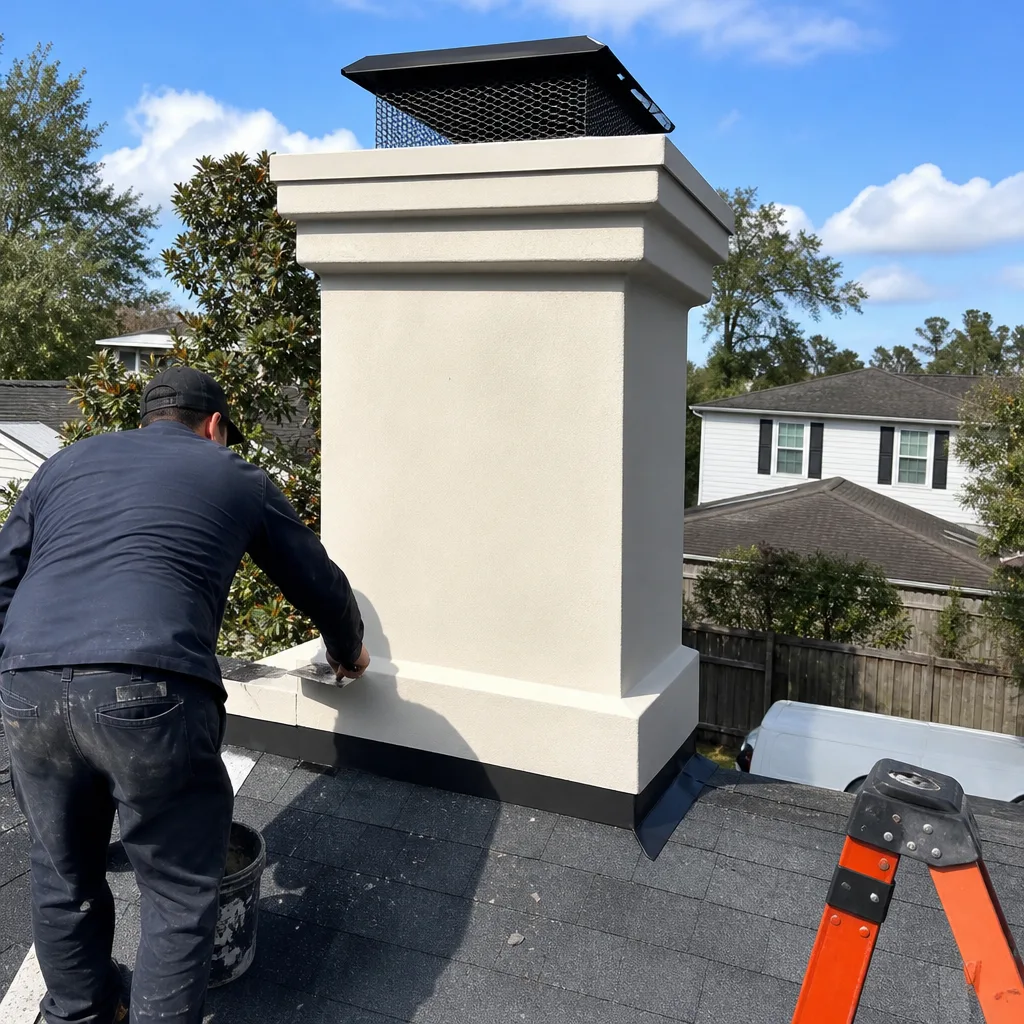
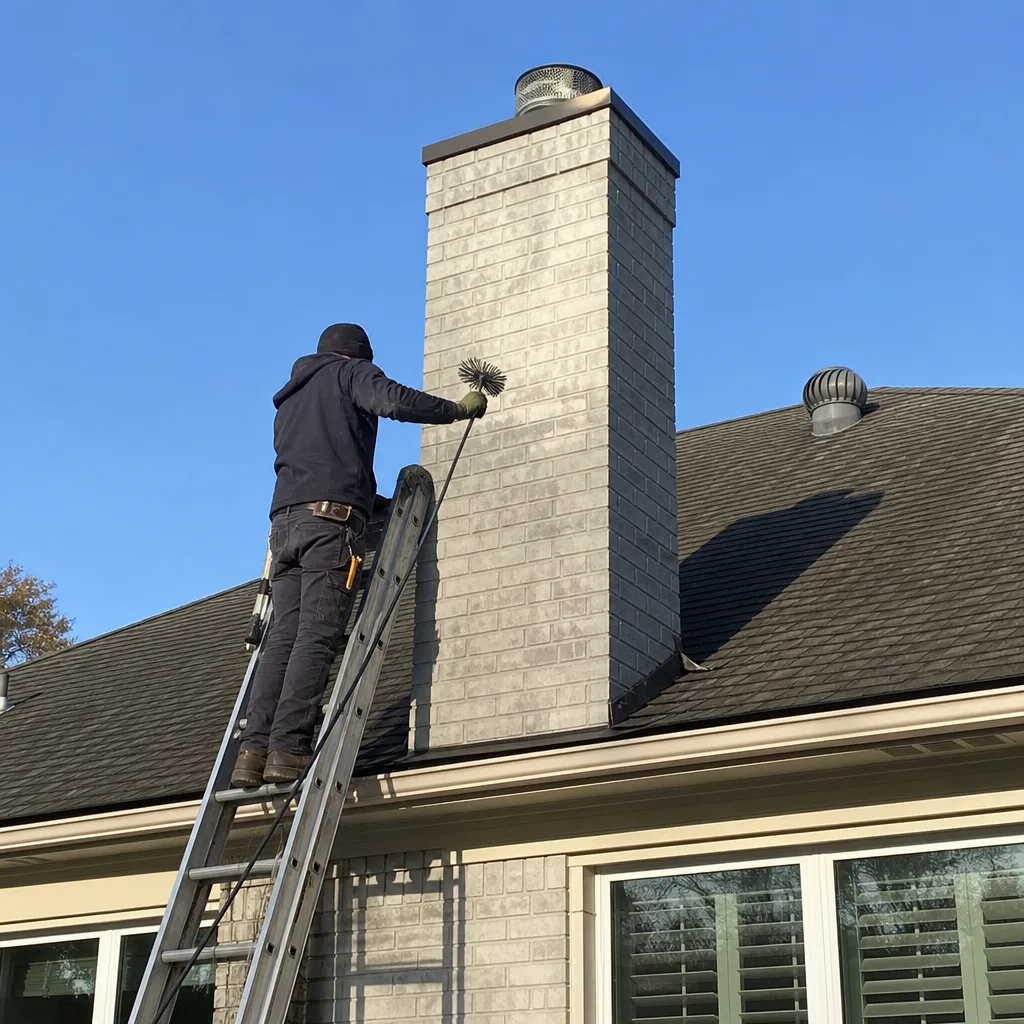
See the difference
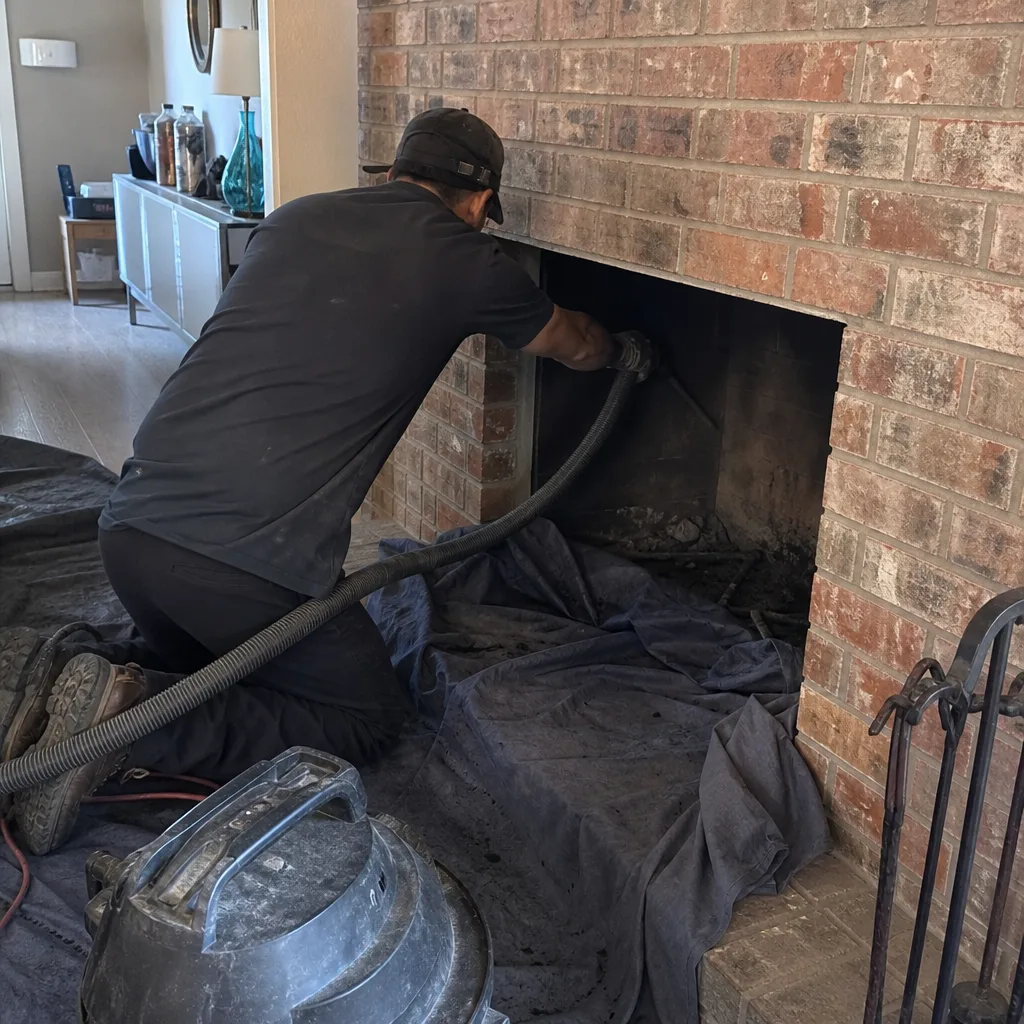 Before
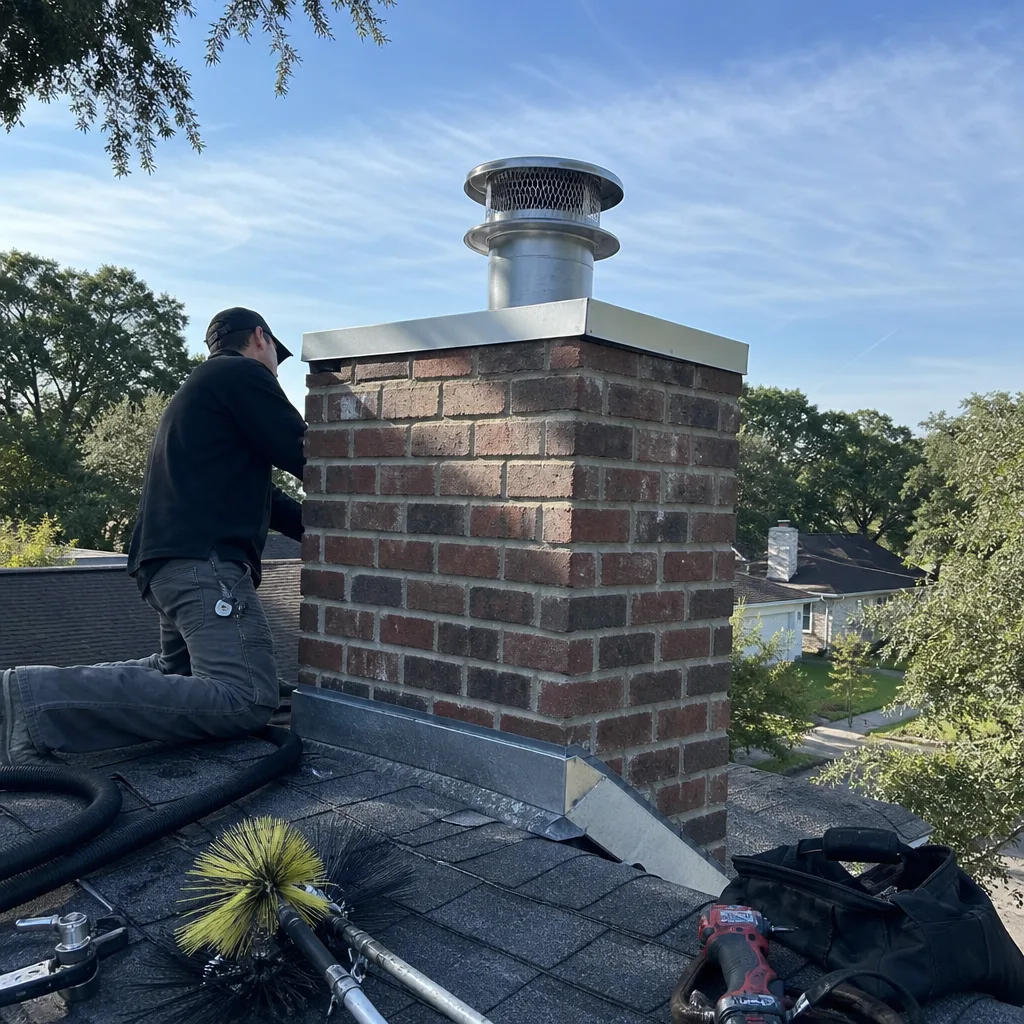 After
After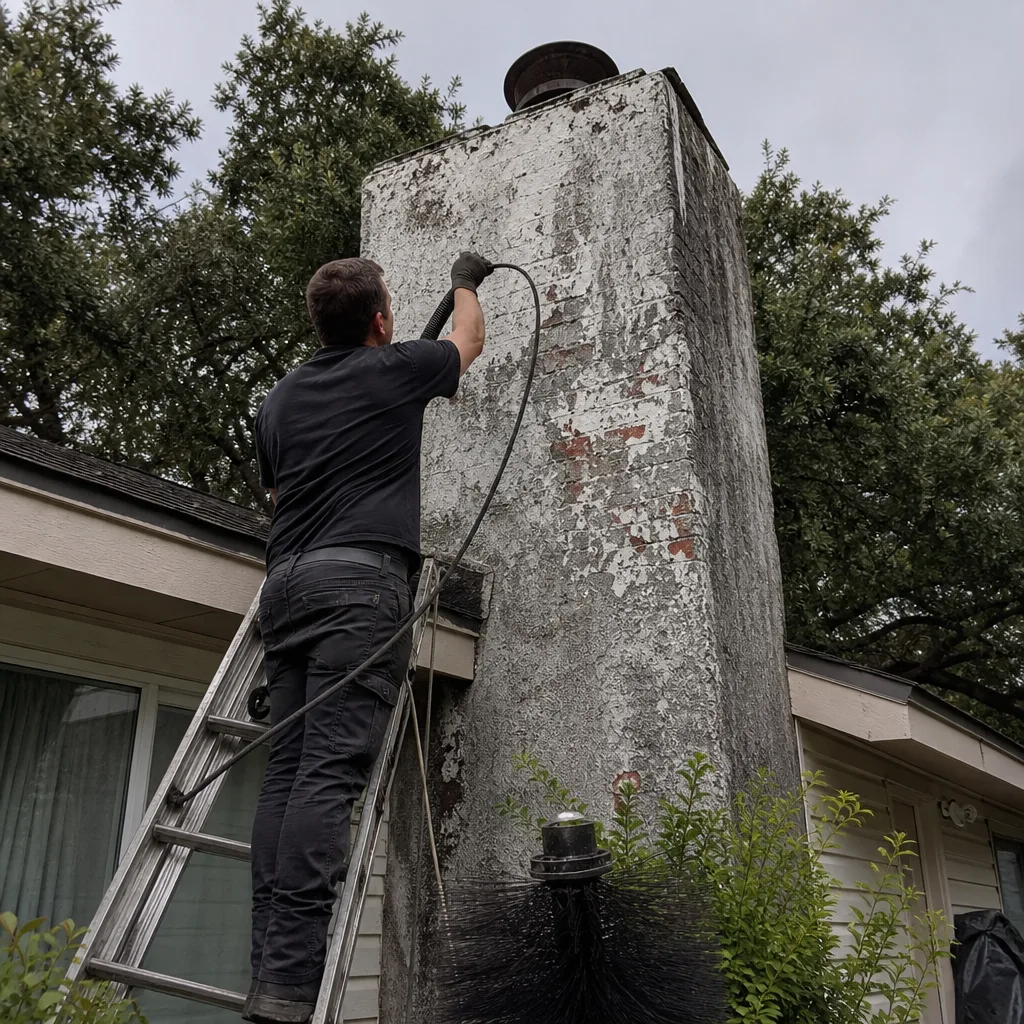 Before
 After
After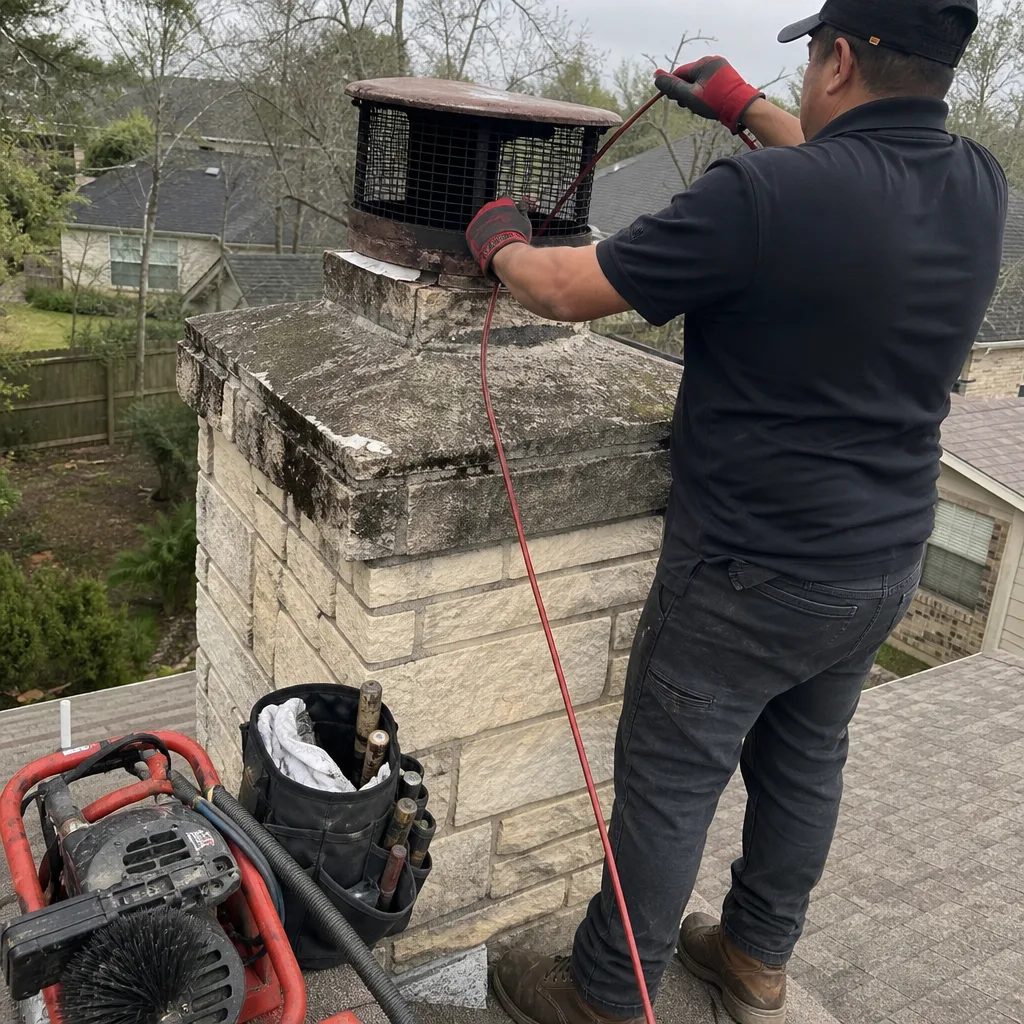 Before
 After
AfterWhen to Call a Professional
Call a chimney professional if you are buying a home in Houston with a masonry chimney and the seller cannot produce inspection records. Call if your fireplace has been dormant for more than two years and you want to use it again. Call if you smell smoke in the house after a fire, if you see water stains on the ceiling near the chimney, or if you hear animals in the flue. Call if a home inspector flagged the chimney and recommended a Level 2 inspection. And call before you buy a home with a gas fireplace that has no service history, because the carbon monoxide risk from improper gas venting is real and not visible. Kindling Chimney Houston provides free estimates in Houston. We are glad to look at your chimney and tell you plainly what it needs, with a written price before any work begins. Call (254) 978-7413 to talk through what you are seeing.
Frequently Asked Questions
No. Routine chimney sweeping is considered maintenance and requires no permit at the state level or in Houston. A permit only becomes necessary when the work involves structural changes, like a liner replacement or firebox rebuild, or when gas venting is altered.
Ask for the permit number before work begins, then look it up on the City of Houston’s online permit portal. You can search by address or permit number. A permit that is active will show as “issued,” and you can confirm the permit type matches the work being done.
A Level 1 inspection is visual and covers the readily accessible parts of the chimney, typically performed during an annual cleaning. A Level 2 inspection adds a video scan of the flue interior and examination of attic, crawlspace, and basement areas. Insurers and home inspectors usually request the Level 2 after a fire, at a sale, or when the chimney has been unused for a long period.
It depends on the cause. Damage from a sudden event like a lightning strike, hurricane, or a documented chimney fire is often covered, minus your deductible. Wear and tear, long-term water damage, and deferred maintenance are generally not covered. If a repair was done without a required permit, the insurer may deny a subsequent claim even if the repair was done correctly, which is why verifying permits matters more than most Houston homeowners expect.
At minimum once per year if you use the fireplace regularly, and after any major weather event like a hard freeze or hurricane. Houston’s clay soil movement, humidity, and freeze-thaw cycles mean chimneys here need more attention than in drier parts of Texas. If you burn more than two cords of wood per season, or if you have an older masonry chimney, a mid-season check is sensible.
A Level 1 inspection, often included with a cleaning, runs $180 to $300 for the full sweep and check. A standalone Level 2 inspection with video documentation runs $300 to $550. Kindling Chimney Houston provides a written price before any work starts, so you will know the number before the technician arrives. For a more detailed breakdown, see our Chimney Inspection in Houston page.
The Bottom Line
Most chimney cleanings in Texas need no permit, and that is where the confusion starts: the cleaning is unregulated, but the repair work it uncovers is not. Houston homeowners who skip permits on liner replacements, firebox rebuilds, or gas venting changes risk a failed home inspection, a delayed sale, or an insurance claim denial that could have been avoided with a $100 permit and a city inspection. Keep the paperwork. Verify the permit. Ask for the video scan. A chimney that is clean, documented, and code-compliant is worth more at resale and safer for the family living with it. If you would like an honest assessment of your chimney, call (254) 978-7413 for a free estimate. We serve Houston and the surrounding area, and a real person answers the phone.
Written by Danny Cortes, Owner at Kindling Chimney Houston, serving Houston since 2003.