
Last updated October 15, 2026
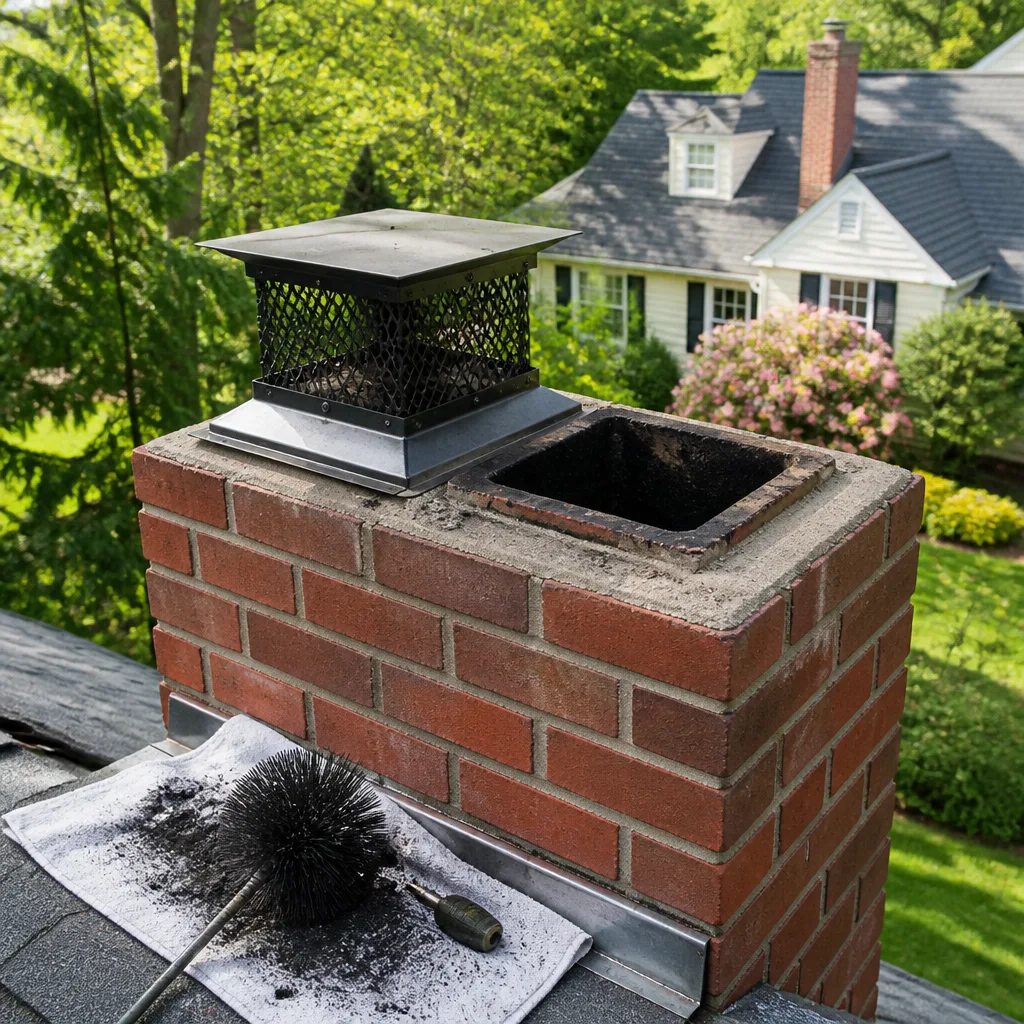 Sweep & inspection
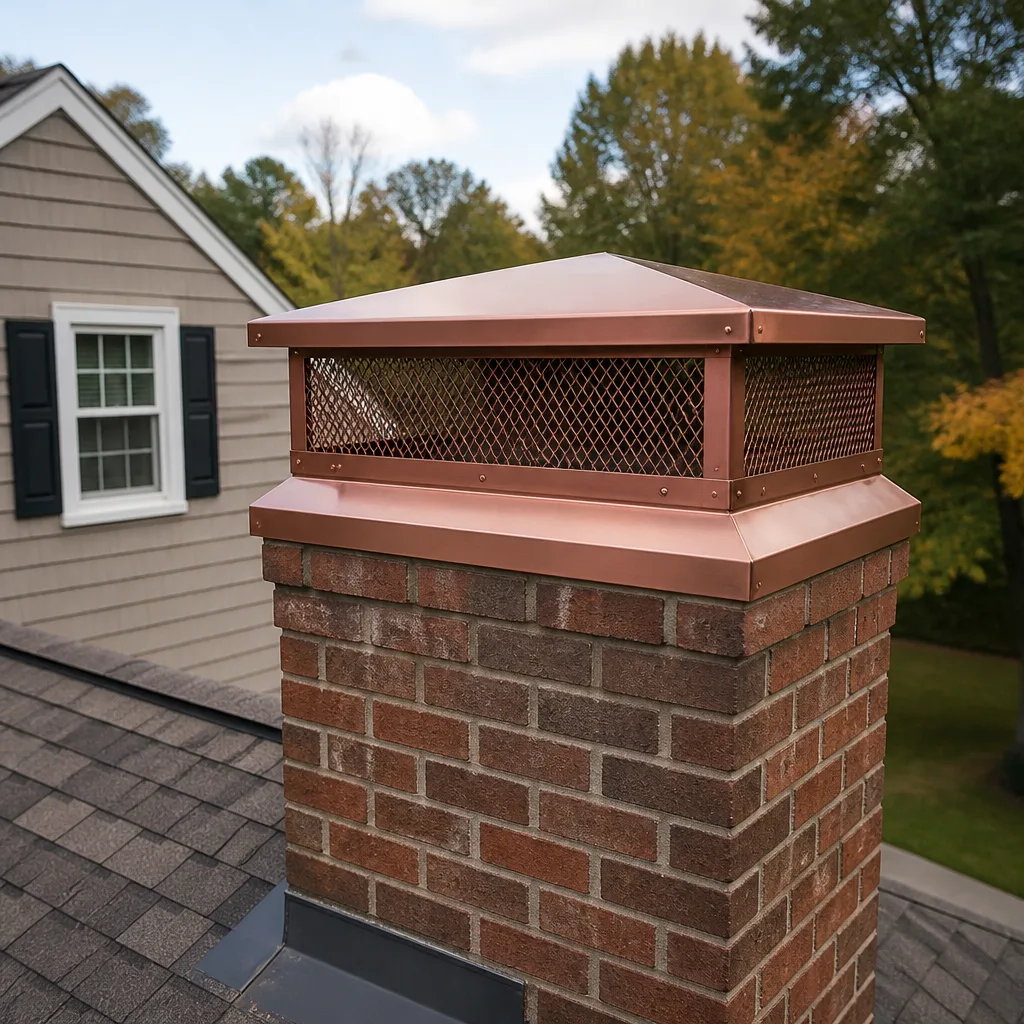 Caps & crowns
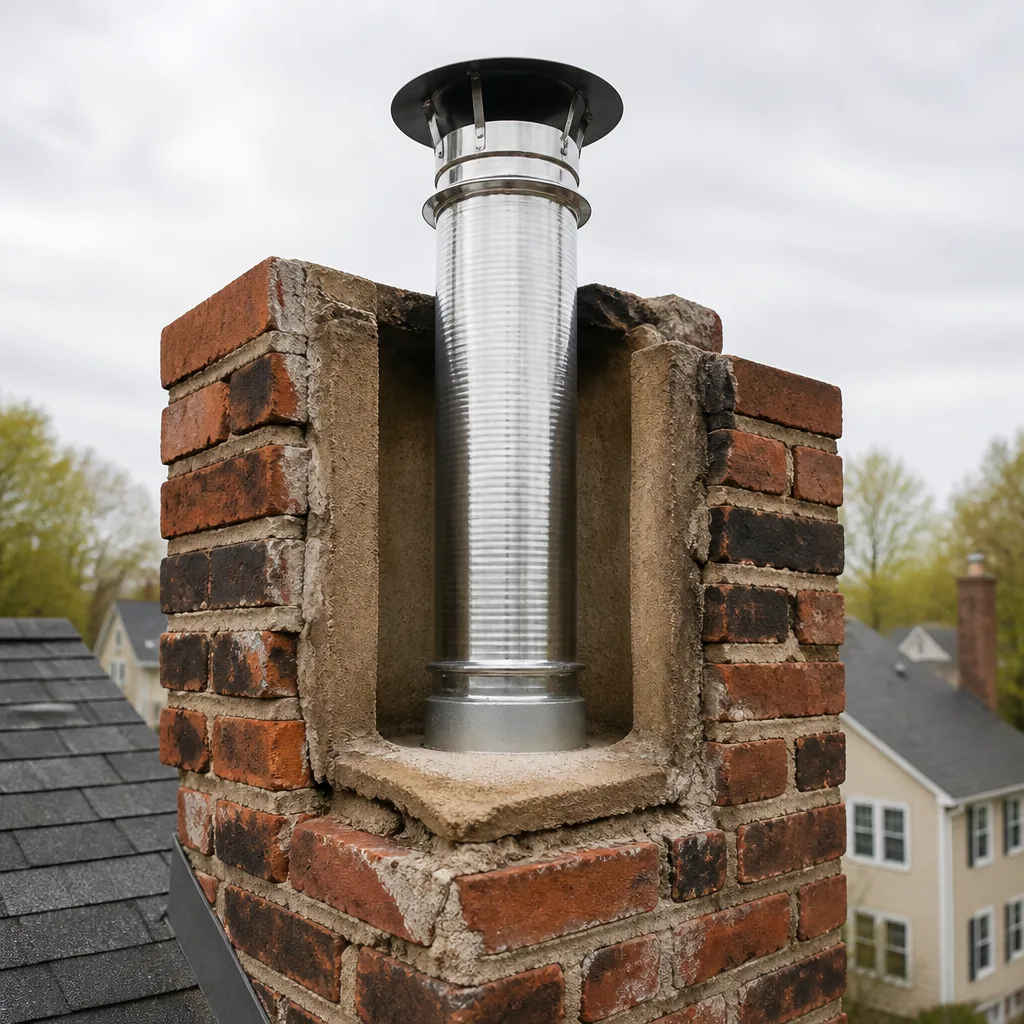 Flue relining
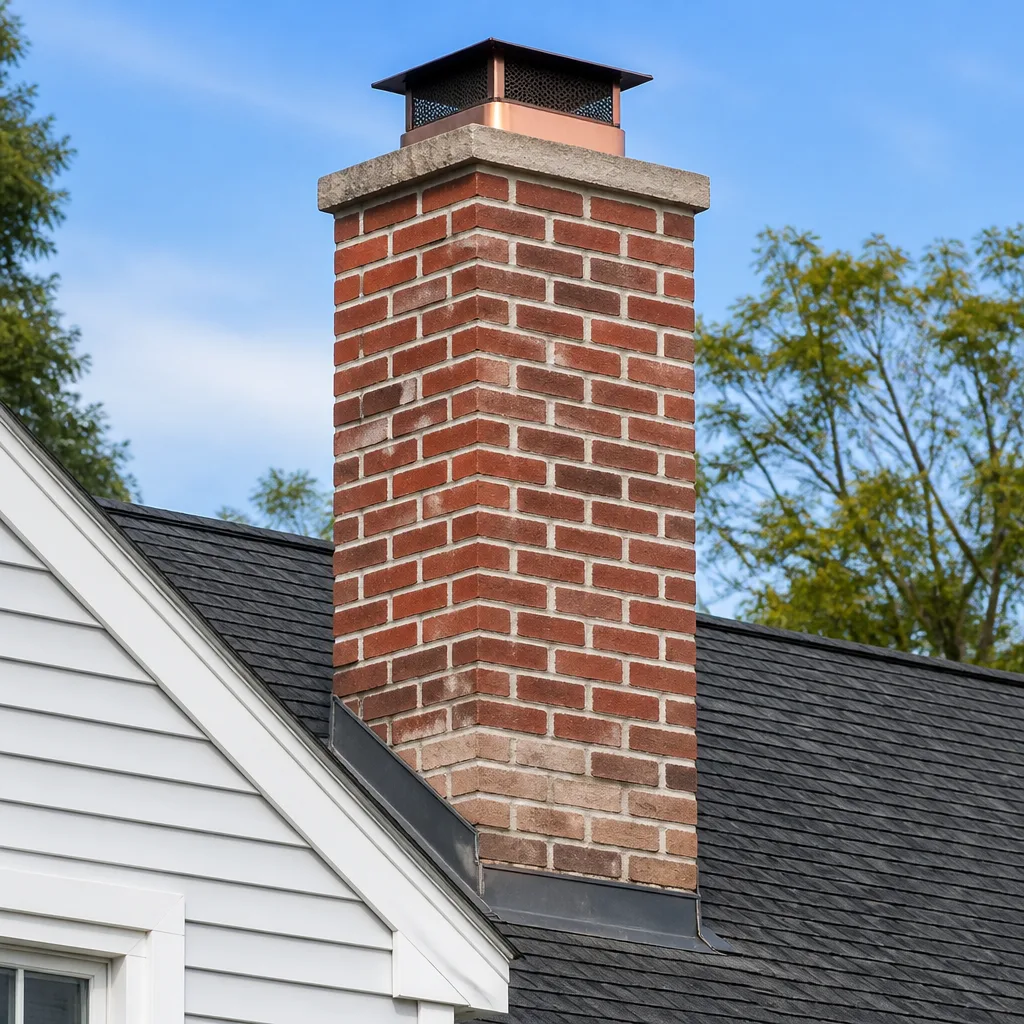 Masonry repair
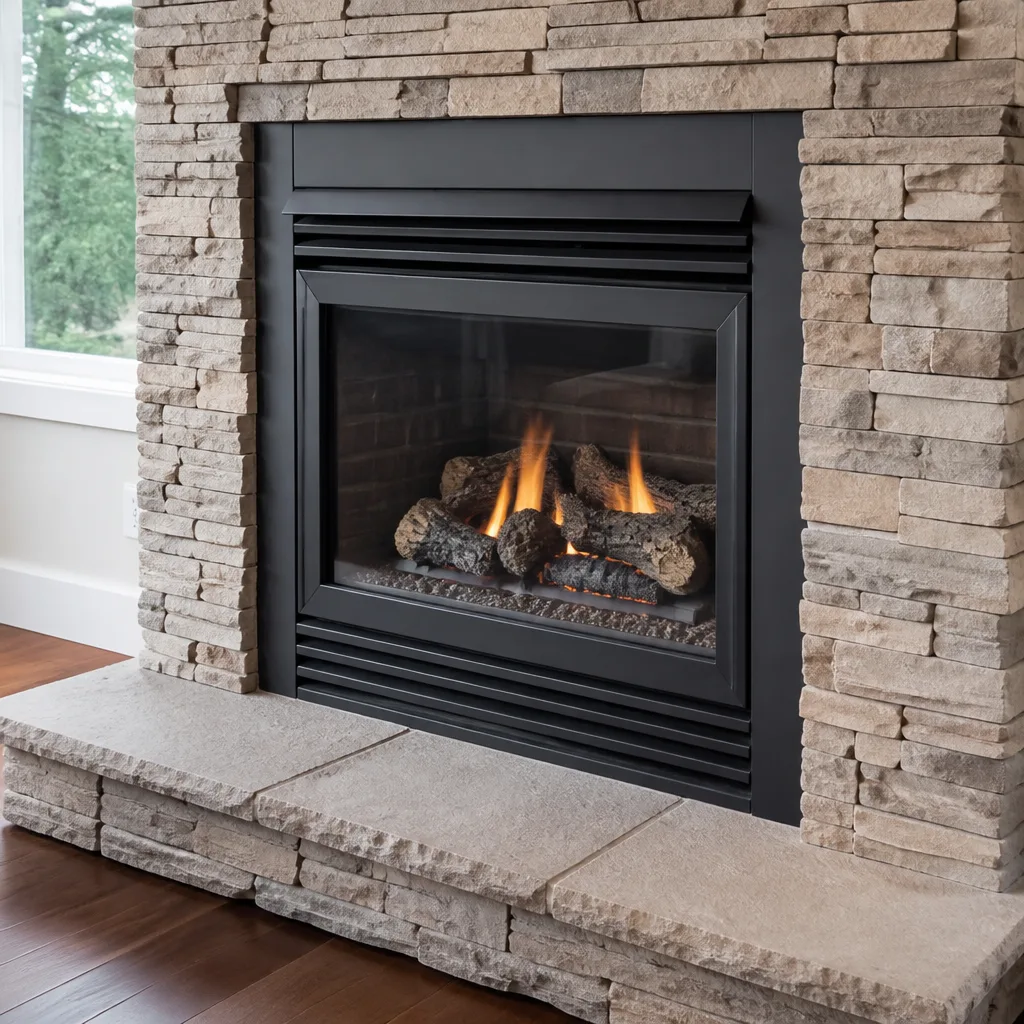 Gas fireplace service
Level 1 sweep and inspection to the NFPA 211 annual standard - flue, crown, cap, and flashing checked and photographed
Chimney sweep logs do not sweep chimneys. They loosen some creosote - which then falls where a brush and vacuum still have to collect it.
Chimney Sweep Maintenance Checklist for Houston Homeowners
Here’s the question a good chimney technician most wants answered before touching your chimney: “When did you last notice something different?” Most Houston homeowners can’t answer it. Not because they’re careless, but because nobody gave them a way to record what “normal” looks like. This guide solves that. It gives you the exact visual checkpoints, month by month, so you can hand a technician a documented history instead of a vague feeling that something seems off. That kind of record changes the whole service call. It reduces diagnostic time, it reduces guesswork, and in our experience, it often reduces the bill, because the technician isn’t starting from zero. In Houston, where we cycle through intense humidity, sudden temperature swings, and months of dormant fireplaces, a running checklist isn’t a nice-to-have. It’s the difference between catching a $200 problem in October and discovering a $2,000 one in December.
Styles & brands we work with
Quick Answer
A Houston chimney maintenance checklist is a simple written record of what you see, when you saw it, and what changed. You check the exterior from the ground once a month, do a quick interior spot check before each fire during burning season, and schedule a professional chimney sweep at least once per year, ideally in early fall. This guide gives you the exact checkpoints, the thresholds for “watch and wait” versus “call before the next fire,” and a log format you can keep on paper or in your phone.
Table of Contents
- Why Houston Chimneys Need a Different Kind of Checklist
- The Maintenance Log: Your Chimney’s Medical Record
- October: Pre-Season Check Before the First Fire
- December – January: Mid-Season Spot Checks While You Burn
- February: Post-Season Close-Out and First Damage Assessment
- July: Summer Dormancy Inspection (The One Most People Skip)
- Watch and Wait vs. Call Before the Next Fire: Plain Thresholds
- Common Mistakes to Avoid
- When to Call a Professional
- Frequently Asked Questions
- The Bottom Line
Why Houston Chimneys Need a Different Kind of Checklist
Most generic chimney maintenance guides are written for places with four seasons. Houston isn’t that place. We get a short, mild winter where fireplaces get heavy use for maybe 8 to 12 weeks, then long stretches of heat and humidity where the chimney just sits there. That cycle is harder on masonry than a consistent freeze-thaw pattern you’d see up north. Here’s what actually happens in Houston: the exterior brick and mortar absorb moisture during our humid spring and summer months. Then in the fall, when we get those first cool fronts, the air pressure in the house shifts, and the chimney becomes a pathway for air movement. If the mortar joints have been quietly absorbing moisture all summer, the rapid change can expose cracks that were invisible in July. We regularly see chimneys in neighborhoods like Meyerland and Spring Branch where the crown looks fine in August but shows visible spalling by November. The cause isn’t one bad storm. It’s the accumulated effect of Houston’s humidity working on porous masonry for months at a time.
That’s why the checklist in this guide is structured around Houston’s actual seasons, not the four seasons a national website imagines. It’s built around four moments: October pre-season, when you’re about to start burning. December through January mid-season, when the fireplace is in regular rotation and small issues show up fastest. February post-season, when you close it down and assess what the season did. And July summer dormancy, when nobody thinks about the chimney at all, which is exactly why problems compound. If you follow these checkpoints and write down what you see, you’ll know more about your chimney than 95% of Houston homeowners. That’s not flattery. It’s just that almost nobody writes anything down.
The Maintenance Log: Your Chimney’s Medical Record
Before we get to the monthly checkpoints, let’s talk about the log itself. Because the log is the whole point. A checklist you don’t write down is just a memory, and memory is unreliable. The log is what turns this guide from “nice to read” into “actually useful.” It’s also what makes you a better client for any chimney sweep, because a technician who opens with “What have you noticed?” and gets a real answer can work faster and more precisely than one who gets a shrug. For more guides & resources on keeping good records, see our blog. Here’s the format we recommend, and it takes about ninety seconds per entry.
What to record, every single time:
- Date. Sounds obvious. Most people skip it. Don’t skip it. If you have a problem in January, the date tells you whether it developed over two weeks or six months.
- What you noticed. Be specific and concrete. “Dark stain above the damper, about the size of a dinner plate” is useful. “Something weird near the fireplace” is not.
- Photo filename. Take a photo with your phone. Name it something findable, like “chimney-crown-2026-10-14.jpg.” If you ever sell the house, this becomes instant documentation of how the chimney was maintained.
- Action taken. “Called for quote” or “No action, watching” or “Swept by Kindling Chimney Houston.” This builds a maintenance history that travels with the house.
You don’t need a special notebook. A note on your phone works. A Google Doc works. The thing that matters is that it exists and you keep it current. When you eventually call a Chimney Sweep in Houston, you’ll be able to say, “Here’s what I’ve seen since October.” That sentence is worth more than any generic complaint, because it lets the technician start from evidence instead of searching for it.
October: Pre-Season Check Before the First Fire
The October check is the most important one on the calendar. This is when you’re about to light the first fire of the season, and you want to catch anything that developed over the summer before you put heat and smoke into the system. Set aside twenty minutes. You’ll spend ten minutes outside with a pair of binoculars or a phone camera with a good zoom, and ten minutes inside at the fireplace. That’s the whole thing.
The Five Exterior Checkpoints You Can Safely Do from the Ground
You don’t need a ladder. You don’t need to get on the roof. In fact, we’d prefer you didn’t, because most Houston roofs are steep, and the cost of a good chimney sweep never compares to the cost of an emergency room visit. Everything on this list is visible from the ground with binoculars or a phone zoom.
- The crown. The crown is the concrete or mortar cap on top of the chimney. You’re looking for cracks that run deeper than a hairline, pieces that have chipped away, or a surface that looks like it’s flaking. Houston’s heat cycling causes small cracks to open and close. If the crack is wide enough to slide a quarter into, that’s a call-before-the-season item.
- Visible flashing gaps. Flashing is the metal where the chimney meets the roofline. From the ground, look for gaps between the flashing and the brick, or flashing that’s pulling away. A gap here lets water run directly into your attic, and in Houston, water intrusion is the number one cause of chimney repairs we see in neighborhoods like Oak Forest and Garden Oaks.
- Mortar joint color. Run your eyes along the mortar lines between the bricks. Healthy mortar is uniform in color. If you see white streaks or powdery deposits, that’s efflorescence, which means water is moving through the masonry and leaving salt behind. A little is normal. A lot means water is getting in somewhere.
- Cap screen integrity. The cap screen is the metal mesh around the top opening. Its job is to keep out animals and debris. If the screen is bent or torn, that’s a signal. Houston has squirrels, raccoons, and chimney swifts, and a torn screen in October is an invitation. Also, a damaged screen often means the cap itself has shifted, which lets water in.
- Efflorescence staining. We mentioned it above, but it deserves its own line. Efflorescence is the white, chalky deposit left when water evaporates from masonry. If you see a patch of white staining that seems to be growing between one check and the next, write it down. That’s a trend line. One reading is a data point. Two readings create a trend, and trends are what tell a technician where to look.
Interior Checkpoints That Don’t Require Tools
Now go inside and open the damper. You’re looking for four things.
- The damper smell test. Open the damper and stand near the fireplace. You should smell a faint “outdoor” scent, but nothing strong. If you smell something musty, sour, or like old barbecue, that’s likely built-up creosote or moisture trapped in the flue. Write it down.
- Smoke shelf visibility with a flashlight. Lie on your back with a flashlight and look up past the damper. You should be able to see the smoke shelf, which is the flat area just above the throat of the fireplace. If it’s coated in dark, flaky material, that’s creosote. If it’s wet, that’s a drainage or crown problem.
- Firebox floor debris. Look at the floor of the firebox. Some ash is normal. But if you see chunks of masonry, pieces of flue tile, or rust flakes, that means something is deteriorating above the firebox. A flue tile chip is a red flag that deserves a professional inspection.
- Draft resistance when the damper opens. When you open the damper, you should feel a slight draft, a small movement of air coming down from the flue. If you feel nothing at all, or if you feel air blowing into the room, the flue may be blocked or the damper may not be opening fully. No draft on a cool Houston morning is a problem that should be checked before you light anything.
One note on the interior check: if you have gas logs, don’t go poking around with a flashlight looking for creosote. Gas fireplaces produce different byproducts, and the checklist changes. Call a Chimney Inspection in Houston and have a technician walk you through what normal looks like for your specific setup.
December – January: Mid-Season Spot Checks While You Burn
Once you’re burning regularly, the checklist gets shorter but more frequent. We recommend a ten-minute spot check every two weeks during heavy use, roughly from the second week of December through the end of January for most Houston households. You’re not looking for new problems so much as you’re watching for changes. Here’s what changes first when a chimney is being used heavily.
Glossy or wet creosote on the damper plate. With a flashlight, check the throat of the chimney just above the firebox. If the creosote looks wet or shiny instead of dry and flaky, that’s stage two creosote, which is more flammable than the dry stuff. It doesn’t mean you have to stop burning. It means you need a sweep sooner rather than later, and the mid-season check gives you the evidence to make that call before it becomes an emergency. For a full breakdown of what this involves, see The Complete Guide to Chimney Cleaning in Houston.
Smoke that starts clean but lingers. A properly drafting fireplace pulls smoke up and out. If the first ten minutes burn clean but then smoke starts curling into the room, that’s often a sign that the flue is narrowing, either from creosote buildup or from a partial blockage. It can also be a negative pressure issue in a tightly sealed Houston home. Either way, write it down and watch it. If it happens more than twice in two weeks, make the call.
A smell that wasn’t there in October. Your nose is a diagnostic tool, and it’s free. If the fireplace suddenly has a stronger odor during a burn cycle, that’s information. It might be a change in the wood you’re burning. It might be moisture. It might be creosote accumulation. Log it.
A new ticking or popping sound when the fire dies down. Chimneys make noise as they heat and cool. But a new sound, especially a metallic tick after the fire is out, can be a flue liner contracting against built-up creosote. It’s not urgent on its own, but it’s another data point.
The mid-season check isn’t a time to make big decisions. It’s a time to collect evidence. If you notice something at every check for four weeks running, that’s a pattern. Patterns get investigated. One-off observations get logged and forgotten. That’s the discipline.
February: Post-Season Close-Out and First Damage Assessment
In most of Houston, the regular burning season winds down by late February. By the first week of March, most fireplaces are dormant again until October. That makes February the ideal moment for a close-out assessment. You’re about to shut the damper and walk away for six months, so this is your chance to document the season’s wear while it’s fresh. The post-season check is also the check that most directly affects your next sweep, because whatever you record now is what the technician will look at in the fall.
Start with a documentation pass. Go back through your log. Pull up every entry you made from October through February, and look at them as a group. Did the efflorescence patch on the exterior grow? Did the damper smell get stronger? Did the smoke start lingering earlier in the burn cycle in January than it did in December? This trend read is the single most valuable thing you can hand a technician. In our experience, a homeowner who can say “The smoke started lingering about two weeks later than it did last year” helps us diagnose faster than one who just says “There’s something wrong.”
Then do one clean-up pass. Sweep out the firebox. Remove the ash, and while you’re in there, look at the firebrick lining. Small cracks are normal. Firebrick is designed to take heat, and hairline fractures don’t automatically mean replacement. But a brick that’s cracked through and shifted out of position is a different story. That’s a structural issue that should be addressed before the next season, and this is the time to find it, not in October when you want to light a fire the next day.
Check the damper mechanism one last time. Open and close it fully. Does it operate smoothly? Does it seat fully at the top? A damper that doesn’t close tight means your air-conditioned Houston air is escaping up the chimney all summer, and that’s a utility bill problem, not just a chimney problem. Houston summers are hot enough without paying to cool the chimney.
When you close the damper and make your final February entry, write down anything you’ll want to address before October. Then forget about the fireplace. The next check is months away.
July: Summer Dormancy Inspection (The One Most People Skip)
Nobody wants to think about a fireplace in July. It’s 97 degrees outside, the air conditioner is running constantly, and the last thing on your mind is the chimney. In our experience, that’s exactly when Houston homeowners should do a quick exterior check. Not because July is dangerous. Because July is when water damage from spring rains becomes visible, and catching it in July gives you four months to schedule a repair before the burning season instead of competing for a technician’s time in the October rush.
Why July specifically? Houston’s heaviest rain comes in spring and early summer. After a few weeks of hot, dry weather, damaged masonry is at its most visible. Water that soaked in during April has evaporated, and the signs it left behind, like new efflorescence, are most visible. By October, the surface has often re-absorbed moisture, and the damage is harder to spot.
What to check in July: Walk outside with your binoculars and do the same five exterior checkpoints from the October list. You’re comparing against your October baseline. Look at the crown, the flashing, the mortar joint color, the cap screen, and any efflorescence. The question is simple: What changed? If nothing changed, make your log entry and go back inside. You’re done. If something changed, this is the moment to start making calls, because you have months to get it handled without any pressure. You could schedule a Fireplace Repair in Houston visit in July, get the work done in August, and be ready by the first cool front in October. That’s how a maintenance checklist actually pays for itself, by buying you time.
One interior thing worth doing in July: open the damper for one minute and smell it. If the smell is stronger in July than it was in October, that’s moisture trapped in the flue, and that damp smell is a signal that water is getting in somewhere. In a humid Houston summer, a damp chimney flue doesn’t dry out on its own. It just sits there.
Watch and Wait vs. Call Before the Next Fire: Plain Thresholds
The whole point of a checklist is knowing what to do when you find something. Here’s where most guides go vague. They say things like “if you notice a problem, call a professional,” which isn’t helpful because everything can sound like a problem when you’re looking closely for the first time. If every observation triggers an emergency call, you’ll stop checking, which defeats the purpose. So here are real thresholds. We use this same mental model with the Houston homeowners we serve.
Watch and Wait
- Minor efflorescence that stays the same size across two checks. Not urgent. Log it and watch it. Compare photos month to month.
- Hairline cracks in firebrick inside the firebox. Normal with use. Watch for deepening or shifting.
- A faint musty smell that only appears right after heavy rain. Worth noting. If it persists days after rain, it moves to the call list.
- Light dusting of soot on the damper plate. That’s what a sweep handles. Schedule one before the season, but no rush in July.
- Small amount of rust on cap screen fasteners. Cosmetic and slow-moving. Replace during the next scheduled service.
Call Before the Next Fire
- A crack in the crown deep enough to insert a coin. Water entry point. Needs repair before the next rain or fire, whichever comes first.
- Flashing visibly separated from the chimney or roof. Same category. The sooner the better.
- Chunks of flue tile or masonry in the firebox. That’s spalling from somewhere above. The flue should be professionally assessed before the next burn.
- A damper that no longer opens or closes fully. This affects draft and air retention. If it’s stuck, the system isn’t working right.
- Any smoke entering the room during a fire, on two separate occasions. Whether it’s negative pressure or a flue restriction, it needs a look before the next fire.
- A strong, persistent odor even when the fireplace hasn’t been used in weeks. Something is trapped in the flue, and it’s often an animal or a damp creosote build-up.
The principle is simple. If it’s changing slowly and you can safely watch it, watch it. If water is getting in, or if combustion gases are coming back into the house, or if the flue is blocked, act before the next fire. When in doubt, log it and make one phone call. A conversation costs less than a repair.
Common Mistakes to Avoid
- Skipping the July check because “we’re not using it anyway.” In Houston’s climate, summer is exactly when water damage declares itself. If you only check in October, you’ve missed the diagnosis window and you’re now in a hurry to get a repair scheduled when every chimney company is busy.
- Relying on the smell test alone. Your nose picks up big changes. It doesn’t catch slow creosote accumulation or a small crack in the crown. Those require the visual checkpoints. Use your eyes first, then your nose as a supplement.
- Cleaning creosote yourself with hardware store products. Those products can alter the chemical structure of the creosote without removing it, and they can give a false sense of security. A proper sweep removes the material physically. It’s not a job for a spray and a plastic scraper.
- Assuming a gas fireplace needs no maintenance. Gas fireplaces still have a flue, still have a damper, and still need ventilation checks. They develop different problems than wood fireplaces, but they’re not maintenance-free.
- Waiting until the first freeze to call about a repair you noticed in July. Houston doesn’t freeze often, but when it does, masonry with water in it is at risk. The July observation is a gift. Using it is the difference between a scheduled repair and an emergency.
- Not keeping the log because “I’ll remember.” You won’t. Nobody does. The log is the product. The checkpoints are just the input. Without the written record, a maintenance checklist is a hobby, not a system.
- Running every observation to worst-case scenario. A little soot is not a chimney fire. A small crack is not a collapsing flue. If you panic at every data point, you’ll stop checking, and the checklist dies. Watch, wait, and act on thresholds, not anxiety.
When to Call a Professional
Some things are on the watch list. Some things are not. Call a professional if you see any of the “Call Before the Next Fire” items above: a crown crack you can fit a coin into, flashing separated from the roof, flue tile pieces in the firebox, or smoke entering the room on consecutive fires. Also call if a July smell persists for more than a week, or if your log shows a trend that’s getting worse across three checks. None of these are panic emergencies. They’re just signals that the chimney needs a trained set of eyes. A Kindling Chimney Houston home visit starts with an inspection, not a repair pitch. Kindling Chimney Houston offers free estimates in Houston. Call (254) 978-7413 and a live person answers, 24 hours a day, every day. You’ll get a written price before any work starts, and if the work isn’t done right, the 365-Day Done Right Promise stands behind it.
Frequently Asked Questions
Once a year is the minimum for a wood-burning fireplace used regularly during Houston’s short burning season. If you burn more than three fires a week from November through February, you may need a second sweep mid-season. Gas fireplaces can often go two years between sweeps, but the flue should still be inspected annually to check for blockages, moisture, and ventilation issues.
Most standard chimney sweeps in Houston run between $150 and $300 for a straightforward cleaning, which typically includes the flue, smoke shelf, firebox, and damper. If the chimney has heavy creosote build-up, a difficult access point, or needs additional work like cap replacement or water repellent treatment, the price goes up, but that should always be quoted in writing before work begins. Call (254) 978-7413 for an exact quote on your chimney. Estimates are free.
Creosote accumulates, the flue narrows, and the chimney drafts less efficiently over time. In the best case, you notice smoke in the room or a stronger smell and schedule a deeper cleaning later. In the worst case, the creosote itself fuels a chimney fire, or water that got in through a missed crack causes deterioration inside the flue. Most problems are slow-moving. That’s why a checklist works. But skipped maintenance turns a slow problem into an expensive one, and Houston humidity makes every untreated water entry point worse each year.
Sometimes yes, sometimes no. A liner needs replacement when it’s cracked, spalling, or separated at the joints in a way that allows heat or combustion gases to reach the masonry. But you should never be asked to take this on faith. Any legitimate recommendation should include camera evidence you can see for yourself. If the liner is intact and the only issue is creosote build-up, a sweep is the answer, not a new liner. Ask to see the camera footage. If a company won’t show you, call someone else. Call (254) 978-7413 for a second opinion if you’ve been told a liner replacement is urgent.
If you did a pre-season exterior check and an interior check, and nothing showed up in the “Call Before the Next Fire” category, a single small fire before the sweep is usually fine. But the safest sequence is: inspect, sweep, then burn. A chimney that’s been sitting all Houston summer is more likely to have animals, debris, or water entry than a chimney that was inspected in October. If it’s been more than a year since your last sweep, schedule that before the first fire.
This guide works for every neighborhood in the Houston area, but if you want someone to walk your specific chimney and help you build a checklist based on what’s actually there, Kindling Chimney Houston offers free estimates across the city. Our technicians are background-checked, arrive in uniform, and follow the Cedarwell Care Promise on every visit: shoe covers and drop cloths down, nothing moved without asking, and a photo of the clean-up before the crew leaves. Call (254) 978-7413 and a live person answers.
The Bottom Line
A chimney maintenance checklist only has value if you use it, and the way to use it is to write things down. In Houston, with our humidity and our long dormant season, the chimney is most vulnerable when you’re not thinking about it. The October check catches pre-season problems. The mid-season checks catch changes as they happen. The February close-out documents the season’s wear. The July check catches water damage months before sale season or burning season makes it urgent. If you run through these checkpoints and keep the log, you’ll know more about your chimney than most Houston homeowners ever will. You’ll catch problems when they’re cheap. You’ll hand technicians a history, not a guess. And when you’re ready to book a sweep or inspection, you’ll know exactly what to ask for. Call (254) 978-7413 for a free estimate, a written price before any work starts, and the same careful attention this checklist encourages.
Written by Danny Cortes, Owner at Kindling Chimney Houston, serving Houston since 2003.
See the difference
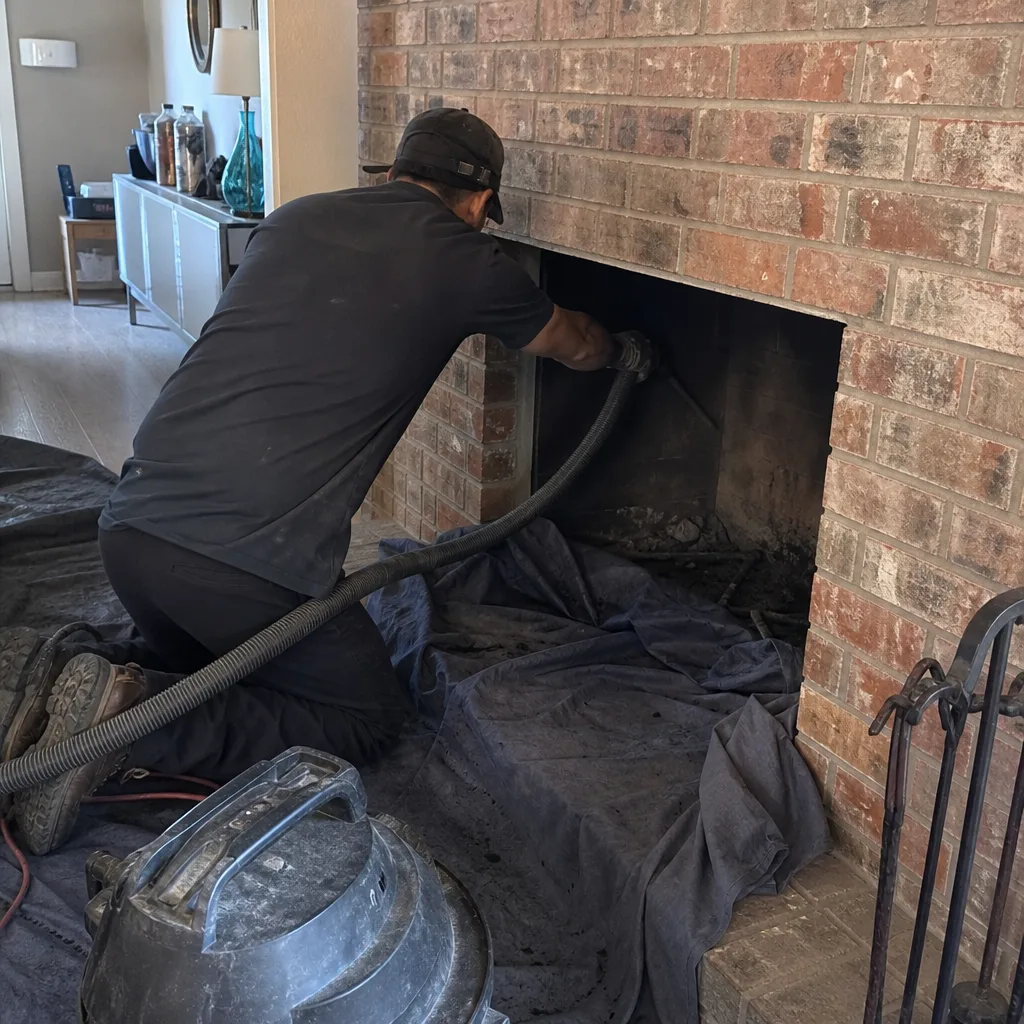 Before
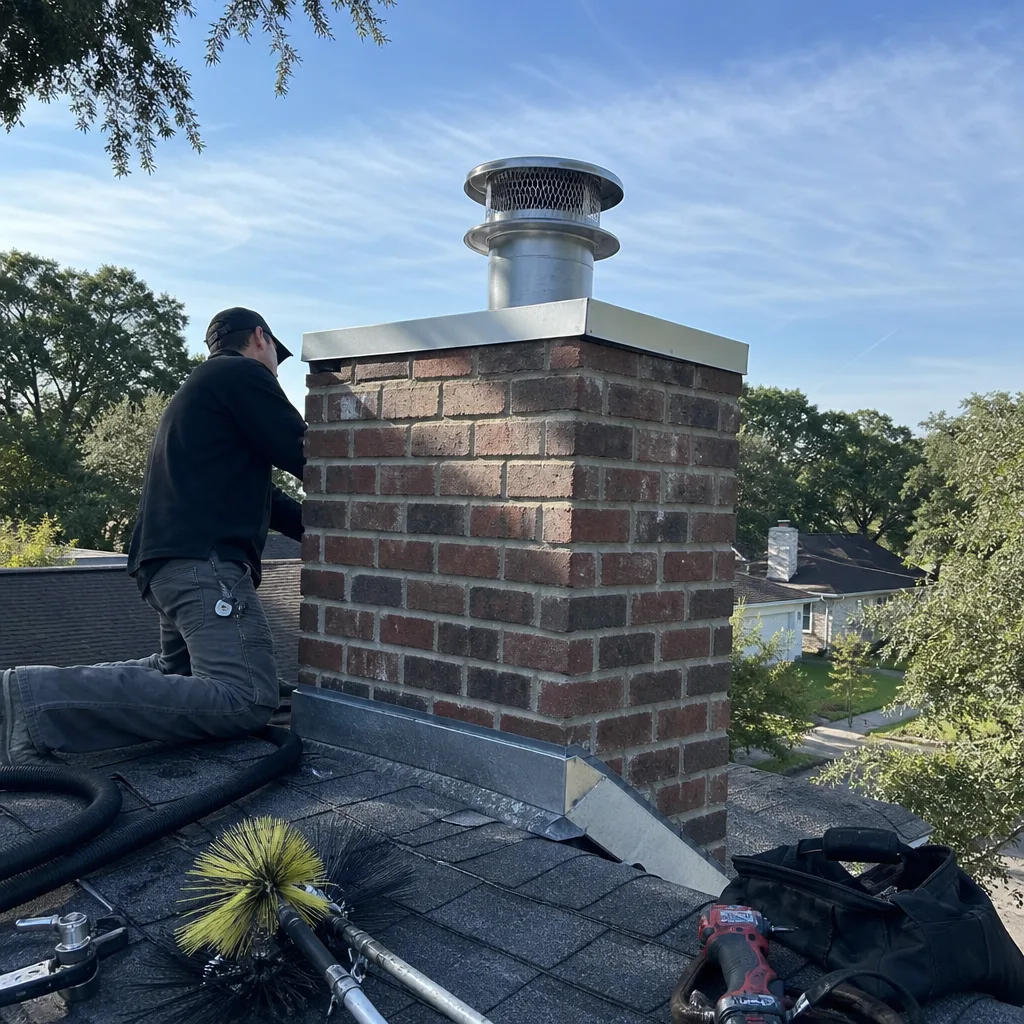 After
After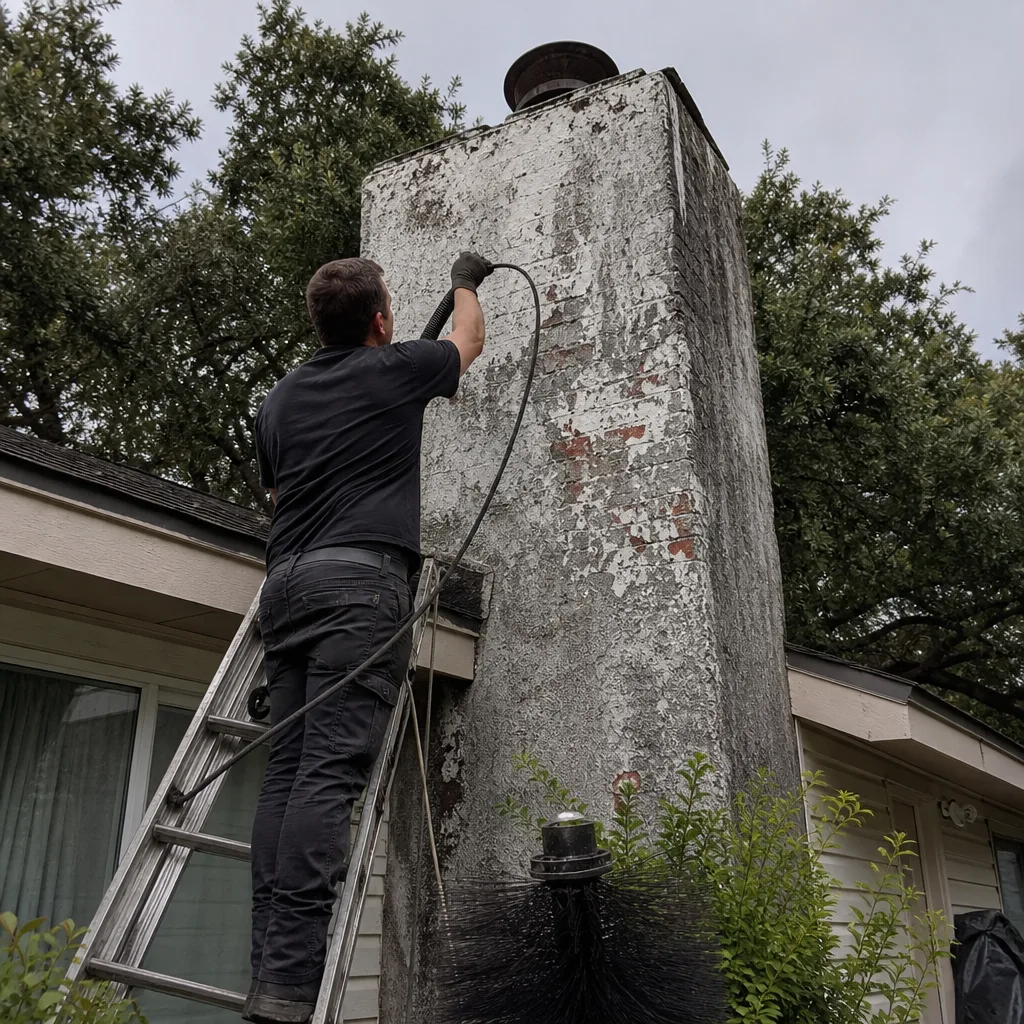 Before
 After
After Before
 After
After